
Three small fixes for hair and grooming that hold up through sweat, hats, and daylight mirrors.
Stop over-conditioning your crown
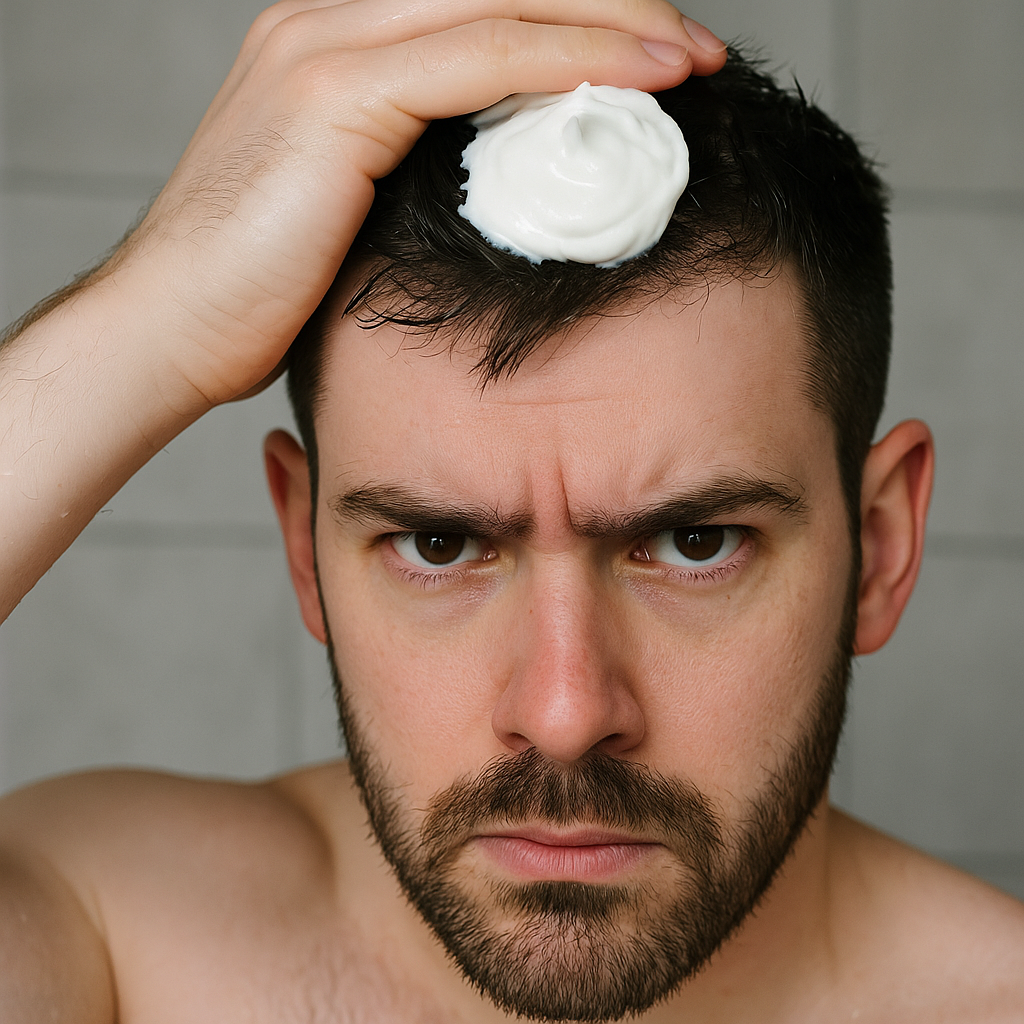
Most people condition like they're icing a cake: right on top. Then they wonder why the roots collapse by lunch and the part looks shiny in photos. If you have fine hair, or you wear hats a lot, put conditioner on your crown and you're basically pre-loading it with slip. I learned this the hard way during a humid summer when I kept buying new shampoos, convinced I was somehow getting oily faster. It wasn't the shampoo. It was me, dragging conditioner across my scalp every wash.
Here's what I do now in the shower: shampoo as usual, rinse, then squeeze out excess water so the conditioner doesn't just dilute and spread everywhere. I use about a quarter-sized amount of conditioner, but I keep it off the top two inches of my head completely. Start at the ends, then work up only to where your ponytail would sit. If you have layers, flip your head forward and focus on the underside lengths, not the canopy. The difference is immediate when you blow-dry. Your roots lift with less effort, and you don't get that heavy, velcro feeling where the hair at the crown wants to clump.
If you're a product person, this also makes your leave-in or heat protectant behave. When the root area isn't coated in conditioner residue, a lightweight spray like Bumble and bumble Hairdresser's Invisible Oil Heat/UV Protective Primer (or even a basic Tresemme heat protectant) sits on the hair instead of turning into a greasy film. Bonus: your dry shampoo (Batiste, Living Proof, whatever you like) works like it's supposed to the next day because it's not fighting leftover slickness at the scalp.
Give it three washes before you decide. The first time, you might think your hair feels "less soft" at the top. That's the point. Soft at the crown often reads as flat.
The sink-side shave that doesn't wreck your neck
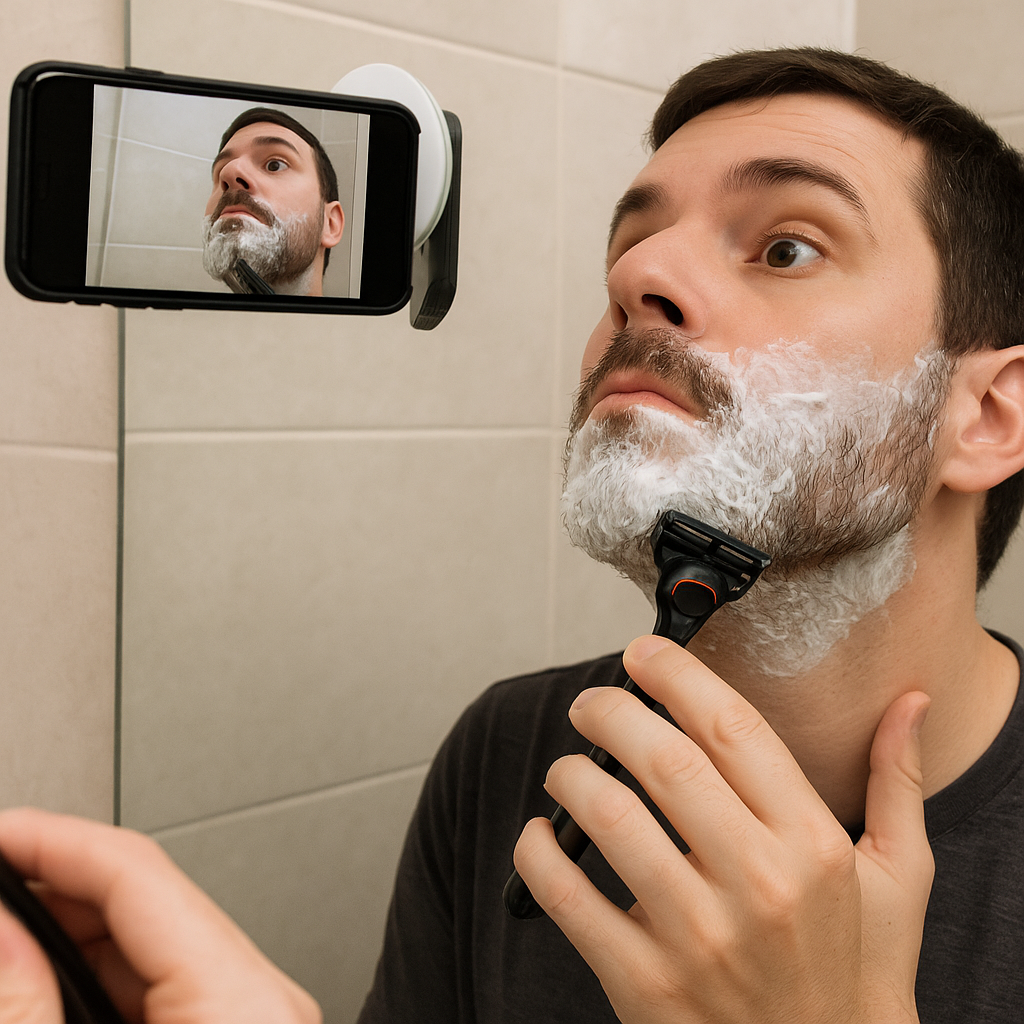
If your neck is always angry after you shave, check the thing nobody talks about: how you're craning over the sink. That posture stretches the skin, you chase the stubble with extra passes, and suddenly you're doing five swipes on the same patch because the mirror says you "missed" it. Then you step into daylight and it looks like a map of razor burn.
My fix is boring, but it works: move the mirror to you, not your face to the mirror. I keep a small fogless shower mirror and suction it to the bathroom mirror at about nose height. Not for the shower, just for the height and closeness. It lets me stand upright and keep my neck in a neutral position. If you don't have one, prop your phone on a shelf with the front camera on. It sounds ridiculous until you try it and realize you can finally see under your jaw without doing a limbo move.
Then I shave in two deliberate passes, not five panicked ones. First pass is with the grain using a slick, plain shave cream (Cremo is my go-to because it stays slippery without a huge foam). Rinse, feel with wet fingers, and only then do a second pass across the grain on the spots that need it: corners of the jaw, under the chin, and that one swirl on the neck where hair grows sideways. I skip "against the grain" on my neck entirely. It's the fastest way to ingrowns for me, no matter how sharp the blade is.
After, I pat dry and use a simple, alcohol-free moisturizer or balm. Nivea Men Sensitive Post Shave Balm is a classic for a reason. If I'm dealing with bumps, I swipe a tiny amount of salicylic acid toner (like Paula's Choice 2% BHA) just on the problem zone the next morning, not right after shaving. Right after is when my skin is touchy and looking for a reason to freak out.
You'll still have to shave. You're just not going to punish your neck while you do it.
Define sideburns with hair wax, not a trimmer
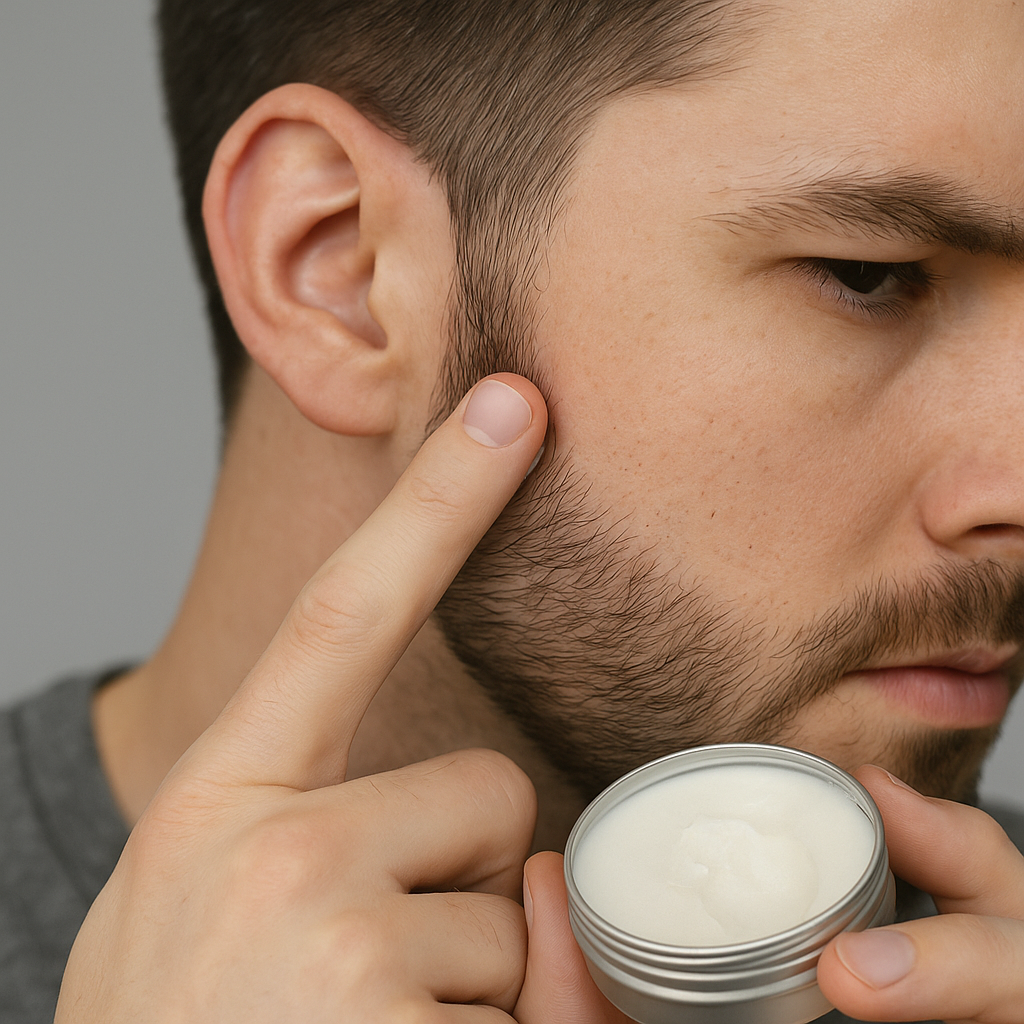
Here's a grooming detail that changes your whole headshot situation without touching a clipper: the sideburn edge. Not the length. The edge. Even if your barber nails the cut, sideburns love to puff outward, especially if you wear glasses or headphones. The hair at the very outer line lifts away from your face and the shape looks blurry. You end up thinking you need a trim, but you usually just need to make the edge behave.
I do this on dry hair, after styling. Warm a dime-size amount of matte wax or clay between your palms until it stops feeling tacky and starts feeling almost invisible. (American Crew Fiber works, so does Hanz de Fuko Claymation if you want stronger hold. If you hate heavy product, a light pomade like Layrite Natural Matte Cream is easier to recover from.) Then wipe most of it off onto the heel of your hand. Seriously. You want almost nothing left.
Now use just your fingertips to press the sideburn hair toward your skin, following the line from the top down. You're not slicking it back. You're setting the outline so it reads crisp from the front. I do one side, then look straight in the mirror like I'm about to take a passport photo. If the line still looks fuzzy, I add a pinhead more product and repeat. If you overshoot and it looks greasy, don't shampoo. Hit it with a tiny blast of dry shampoo at the root of the sideburn and brush lightly. It dulls the shine without undoing the shape.
This is also the move when you get that weird helmet-hair bend from a beanie. Fix the bend with a blow-dryer for ten seconds, then set the sideburn edge with wax and you're back in business.
One more thing: if you have longer sideburns, don't pinch them into a point. It's tempting. It also makes them look thinner and uneven. Flatten, press, step back, done.