Linda Evans, Born 1942

If you remember glossy, larger-than-life TV, you likely recall her as a star who could instantly own a scene. She broke out in 1965 on “The Big Valley,” playing strong and steady, with toughness that felt real. “Dynasty” turned her into a pop culture staple as Krystle Carrington, all sophistication on the surface, with fire underneath.
Golden Globes rolled in and viewers made her work appointment TV. Before fame, she was in drama classes at Hollywood High. In the 1980s, she embraced wellness and fitness, with fans eager to follow. Her marriage to John Derek also placed her in creative circles that shaped her outlook.
Clint Eastwood, Born 1930

Eastwood gained fame as TV's quintessential cowboy in “Rawhide” (1959). Later, starring in Sergio Leone’s spaghetti westerns, he redefined toughness. His “Dirty Harry” role launched gritty cop stories, establishing him as a symbol of justice. He won Academy Awards for Best Director and Best Picture for “Unforgiven” (1992) and “Million Dollar Baby” (2004). In addition, the actor is a skilled composer. Surprisingly, he became mayor of Carmel, California, in 1986 after a campaign focused on development.
Bo Derek, Born 1956

If she’s got one pop culture moment that refuses to fade, it’s “10” in 1979. That beach run landed her instant star power and icon status. A couple years later, “Tarzan, the Ape Man” in 1981 put her back in the spotlight with publicity that often follows breakout celebrities.
In the early 1980s, modeling became stronger, with fashion photographers drawn to her bold look. Life later shifted to ranch routines and a love of horses, adding structure. By 2000, she entered the business world, launching a pet care brand, a natural move for an animal lover.
Dick Van Dyke, Born 1925

The actor has delighted audiences for decades with his charm, timing, and musical comedy. He rose to fame with “The Dick Van Dyke Show” in 1961, setting a sitcom standard with its humor and warmth. “Mary Poppins” in 1964 showcased his energy and magic. By 1965, he had a Grammy for the film's beloved soundtrack. Known for his work ethic, he performed live, showing it wasn't just screen charisma. A Special Tony Award came in 1974, and “Mary Poppins Returns” in 2018 proved his style remains irresistible.
Jaclyn Smith, Born 1945

She emerged during TV’s bold, glossy era, poised and sharp. The breakthrough came in 1976 with “Charlie’s Angels,” making action-meets-glamour look easy. She ventured into darker roles with “Nightkill,” focusing on tension and drama. Launching the Jaclyn Smith Collection, she demonstrated a star could build a fashion brand. Before fame, she honed her craft in Texas drama classes. In 1981, she earned a Golden Globe nod for “Jacqueline Bouvier Kennedy.” Her 1997 marriage to Brad Allen marked a quieter, enduring partnership.
Max Baer Jr. (Born 1937)

Max didn’t tiptoe into TV history, he walked in like he owned the place, armed with sharp comic timing that felt made for the early 1960s. In 1962, he struck gold on “The Beverly Hillbillies," turning Jethro Bodine into a lovable goofball. He didn’t stay boxed in; he moved into film with “Ode to Billy Joe" and later proved his instincts behind the camera as a producer.
Before Hollywood swung its doors open, years at Santa Clara University grounded him. The athletic edge wasn’t a coincidence, considering his connection to boxing legend Max Baer Sr. By 1999, he was channeling that “Beverly Hillbillies” legacy into business, including gaming projects inspired by the show. Over time, the actor shifted toward entrepreneurial ventures, staying busy and inventive.
Meredith Baxter (born 1947)

When Baxter appeared on TV in the mid-1970s, she exuded a natural presence. She gained attention with “Family,” opting for subtle emotion over grand speeches. With “Family Ties,” that relatable dinner-table chaos became a weekly ritual. She made everyday moments feel authentic, like someone you knew. Despite long shoots, she never seemed to toil, seamlessly shifting from humor to drama. Her 1992 role earned an Emmy nomination, showcasing her range. Nowadays, she paints, enjoying a slower pace without the demands of filming.
Lee Majors, Born 1939

When Lee first appeared on primetime in the late 1960s, his relaxed swagger was evident. He gained attention on “The Big Valley,” where his confidence made quiet moments engaging. “The Six Million Dollar Man” in 1973 cemented his status as an action hero, inspiring kids' backyard imitations. Tough, charming, and self-aware, it was a perfect fit.
Days on set involved stunts and choreography to ensure safe danger. Off-camera, he explored design, sketching prop ideas. In 1983, his steady presence earned a Golden Globe nod. His path began unexpectedly; a college sports injury shifted him from athletics to acting.
Ali MacGraw, Born 1939

In the early 1970s, MacGraw emerged with a cool, effortless charm. Her big break came in 1969 with “Goodbye, Columbus,” showcasing her dry wit. In 1970, “Love Story” became a sensation, earning her an Academy Award nomination and cementing her status. “The Getaway” later introduced her to action roles. Her interests shifted to meditation and spirituality. Over decades, she became known for advocacy work and dedication to social causes. Her legacy in film endures, and her style remains influential, celebrated by fans and designers. Her life story embodies resilience and strength.
Al Pacino, Born 1940

When Pacino stormed onto screens with “The Godfather” in 1972, it was electrifying. The genre felt sharper and more alive. He followed with “Serpico,” staring down corruption, and “Dog Day Afternoon,” making tension palpable. Awards took time, but “Scent of a Woman” finally earned him an Oscar in 1993.
Before fame, he honed his craft at HB Studio. Even with Hollywood's call, he stayed loyal to theater, notably in “American Buffalo.” His passion for classics led to a documentary on “Richard III.” Ultimately, he walked away from a role in “Despicable Me” due to creative differences.
Connie Stevens, Born 1938
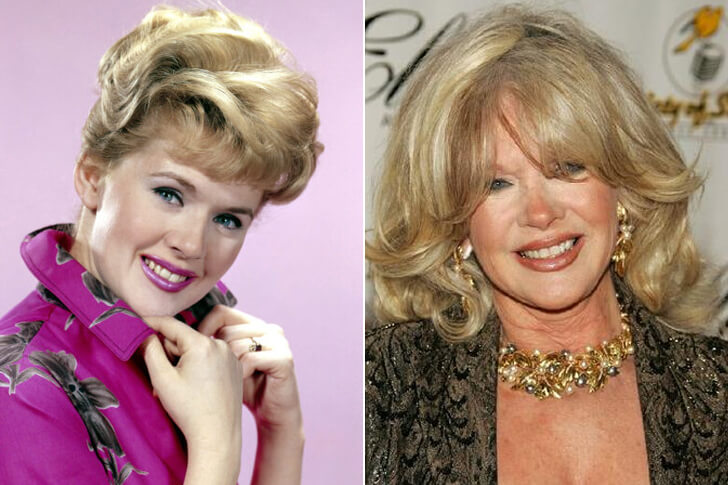
By the late 1950s, Stevens was a rising star with her role on “Hawaiian Eye.” Instant fame led to juggling scripts, studio sessions, and a breakout single, “Sixteen Reasons,” in 1960. This hit skyrocketed her into pop culture. The early 1960s brought film offers, and she starred in popular teen comedies. Singing with her family since childhood, she managed the fast pace of recording with ease. Later, she directed “Saving Grace” and launched a successful cosmetics line.
Jack Nicholson (Born 1937)
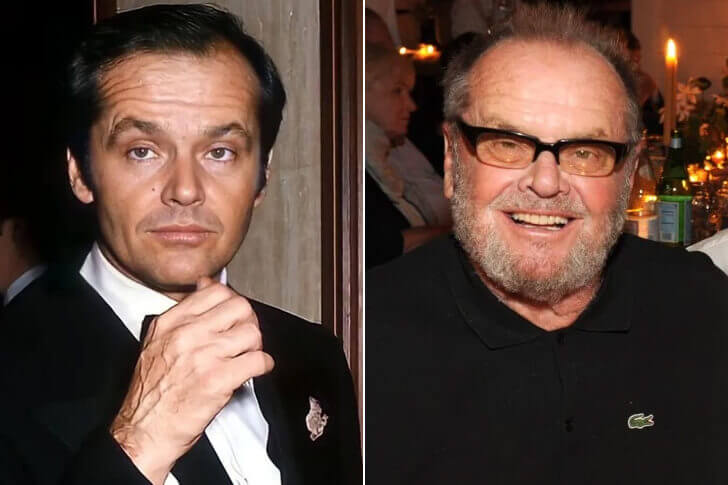
Some stars flash and fade, but he hit like a thunderclap. He broke through in 1969 with “Easy Rider.” “Five Easy Pieces” showcased his gritty energy, and “Chinatown” remains a modern noir classic. “The Shining” turned his intensity into something genuinely creepy.
By 1997, awards stacked up with “As Good as It Gets.” His early years involved grinding through studio jobs, honing his craft. In later years, the actor leaned into painting, preferring a calmer, more personal life.
Billy Dee Williams, Born 1937
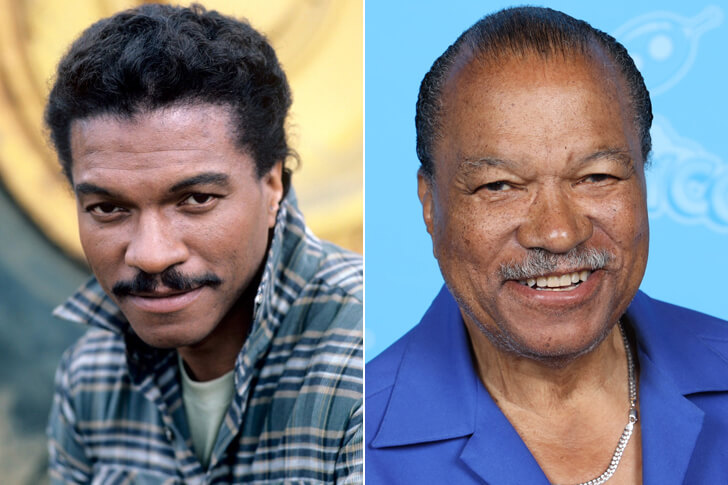
Some people have charisma that practically strolls in. Williams hit the big screen in the 1970s with unbothered cool, making scenes smoother. Excitement surged with “Lady Sings the Blues” alongside Diana Ross, reaching new heights in 1980 with “The Empire Strikes Back.” Lando Calrissian, confident and charming, became an iconic fixture of pop culture.
He effortlessly switched genres, from romance to action. Off-camera, painting was his reset, starting with sketches and growing into canvases. His voice became familiar in animated “Batman” projects, and he ventured into writing, coauthoring a noir-tinged novel in 1999.
Ron Howard (Born 1954)
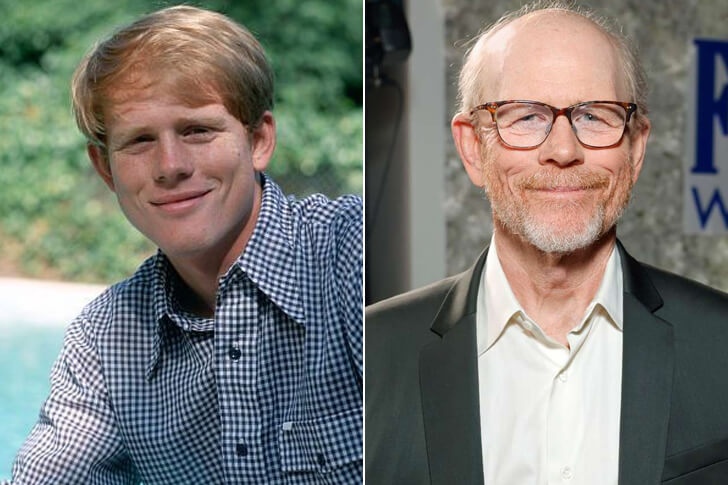
It’s tough to picture classic American TV clicking into place without him popping up and making it all feel effortless. On “The Andy Griffith Show,” he played Opie, the kid who kept the stories warm and sweet. Then “Happy Days” cranked up the pace, but that charm still worked. Even when jokes got snappier, his timing made everything feel more human.
His curiosity nudged him behind the camera. In 2002, “A Beautiful Mind” won major Oscars, marking his directorial leap. Decades later, his love of history showed in documentaries. Off set, he’s famously low-key, often chatting in small-town diners and leaving with stories.
Morgan Freeman, Born 1937
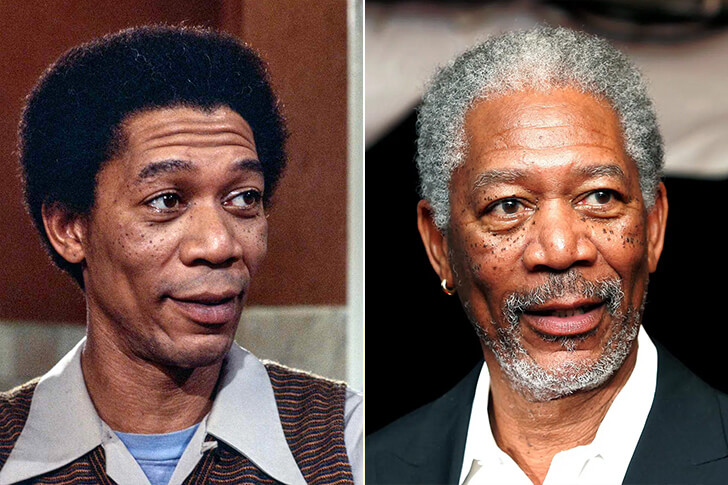
From the first time Freeman appeared on screen, his rare, steady gravity was clear. He doesn't shout or hustle for attention; his mere presence anchors the scene. Major turning points came with “Street Smart” and “Glory.” His calm, reassuring presence in “The Shawshank Redemption” made it a cherished classic.
In 2005, he won the Academy Award for Best Supporting Actor in “Million Dollar Baby.” Long before fame, Freeman honed his skills in school theater, developing the work ethic and control that became his trademark. Off set, he's an aviation enthusiast, earning his pilot's license in 2002.
Sam Elliott, Born 1944
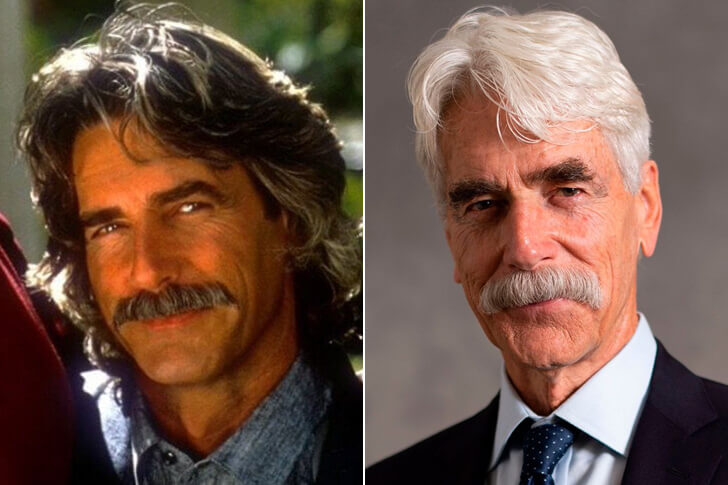
People often cite 1969’s “Butch Cassidy and the Sundance Kid” as Elliott's arrival. Technically, he's there, but blink and you’ll miss it. He kept grinding, though, finding roles with breathing room like in “Lifeguard,” showcasing his calm, firm vibe. His Western flavor deepened in “Road House,” with that gravelly voice both tough and comforting. He caught the acting bug during college theater in Oregon, leading to an Academy Award nod for “A Star Is Born.” By 2017, his voice had become iconic.
Ann-Margret, Born 1941
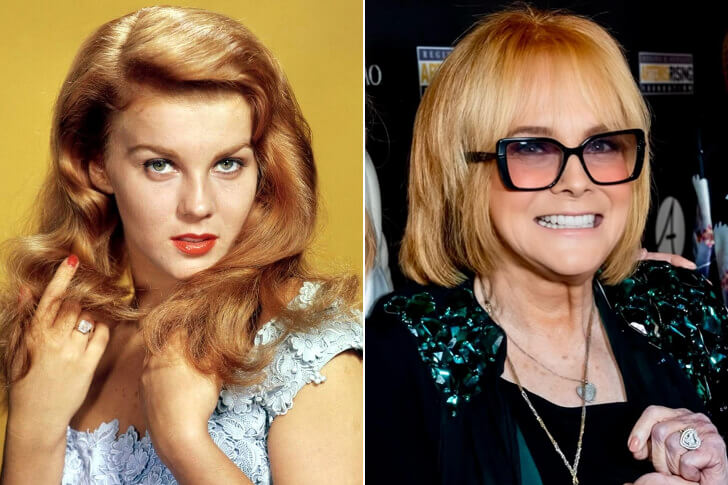
When Ann-Margret showed up in the early 1960s, musical movies suddenly felt louder, brighter, and more fun. She kicked the door open with “Bye Bye Birdie” in 1963. Her energy branded the era, and “Viva Las Vegas” paired her perfectly with Elvis Presley. Her spark made on-screen chemistry look like choreography. With “Carnal Knowledge,” she earned an Academy Award nomination. In the 1970s, concerts packed venues, drawing crowds with her voice and fearless presence. Honors like the SAG Life Achievement Award salute her staying power. In 2010, her “Law & Order: SVU” role revealed a sharper edge.
Patrick Duffy, Born 1949
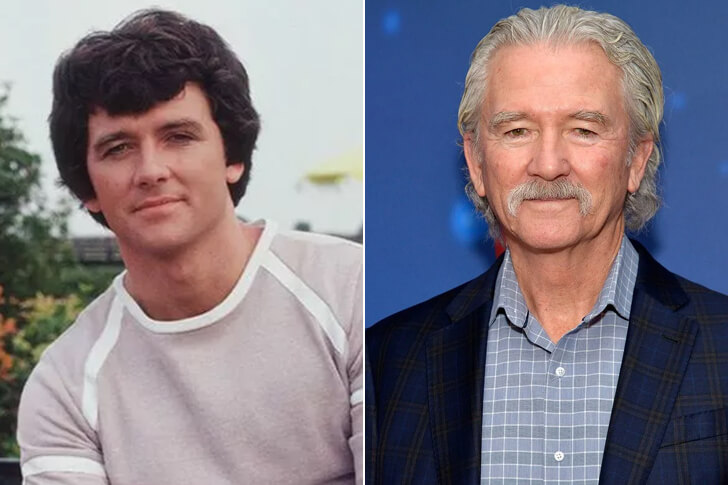
The actor swam into TV lore with “Man from Atlantis” in 1977. Then, “Dallas” rewired prime time in 1978. As Bobby Ewing, he balanced family drama with calm reassurance, delivering emotional twists that kept the show unpredictable. His early stage training, especially movement, paid off in demanding shoots. Off camera, he enjoyed architecture, sketching house ideas for fun. Broadway saw him in “The Subject Was Roses.” Later, he found balance at the family ranch, enjoying a steady rhythm season after season.
George Hamilton, Born 1939
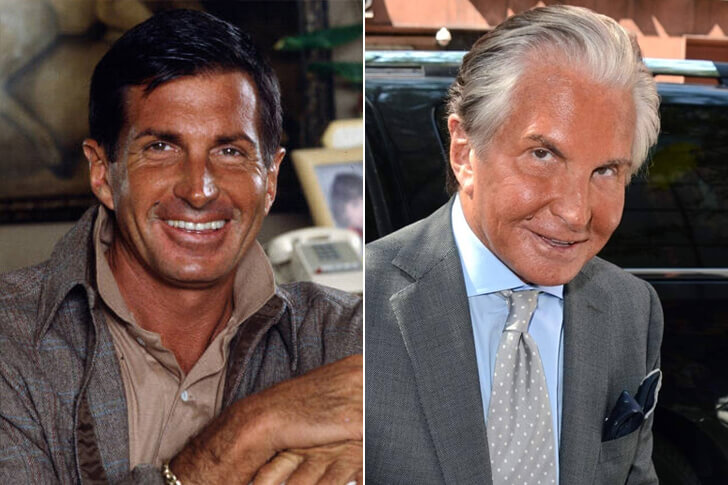
When Hamilton landed in late 1950s Hollywood, his polished, camera-friendly calm made people look twice. Audiences truly noticed him in “Where the Boys Are,” a film that thrust him into youth culture buzz. “Your Cheatin’ Heart” offered a bigger spotlight, allowing him to tackle a biographical part with natural confidence.
Winning the Golden Globe for Most Promising Newcomer in 1960 turned hype into headlines. His glamorous public image often intertwined with his work. In 2011, he surprised many by joining a touring run of “La Cage aux Folles,” showcasing an energetic stage presence. Later, he leaned into personal style with a cigar line matching his taste.
Eva Marie Saint (born 1924)
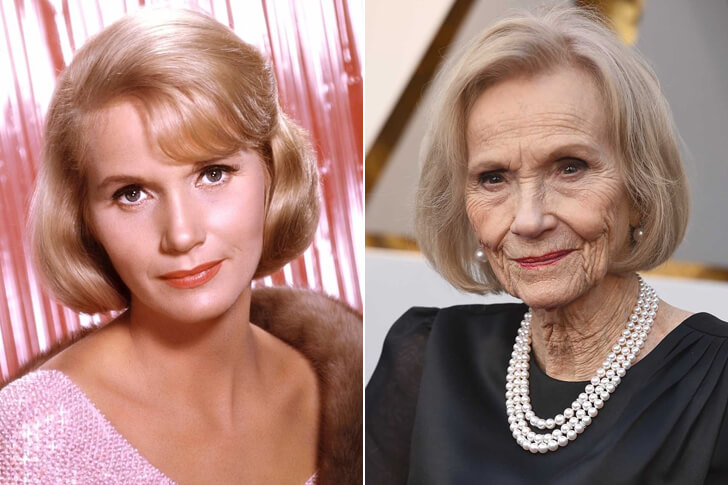
Saint never needed to raise her voice to own a scene. During Hollywood’s golden age, she built her reputation on quiet confidence and razor-sharp control. Her breakthrough in “On the Waterfront” (1954) delivered a raw, real performance, earning her the Academy Award for Best Supporting Actress.
Alfred Hitchcock later put her in “North by Northwest,” where she balanced wit with a mysterious edge. Crews admired her steadiness even in intense scenes. In 1990, she won a Primetime Emmy Award, and in 2012, she voiced Katara in Nickelodeon’s “The Legend of Korra.”
Kim Novak, Born 1933
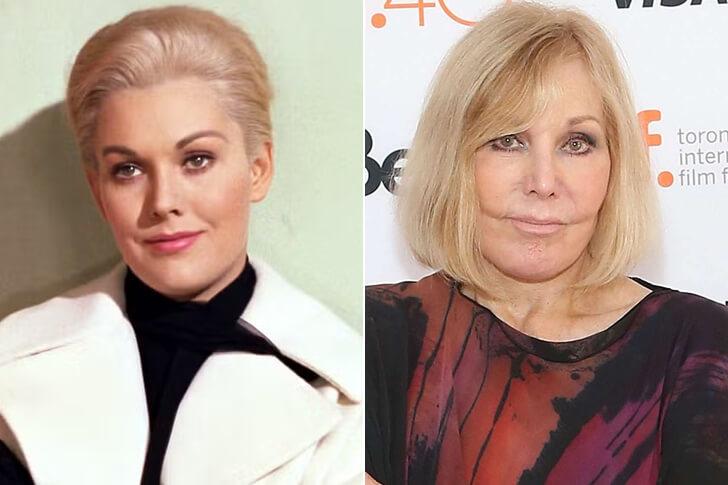
Novak captivated audiences with just a look or pause, especially in “Picnic.” “Vertigo” showcased her talent with a haunting and engaging performance. Beginning her journey in Chicago, her artful eye translated onto the screen, crafting emotions with care. A Golden Globe in 1957 cemented her rapid rise in Hollywood. By 1980, she turned to painting, finding peace and fulfillment away from Hollywood's chaos. Known for her magnetic presence and nuanced performances, she inspires through film and art. Her ability to capture attention without uttering a word remains a testament to her enduring influence.
Terry Moore, Born 1929
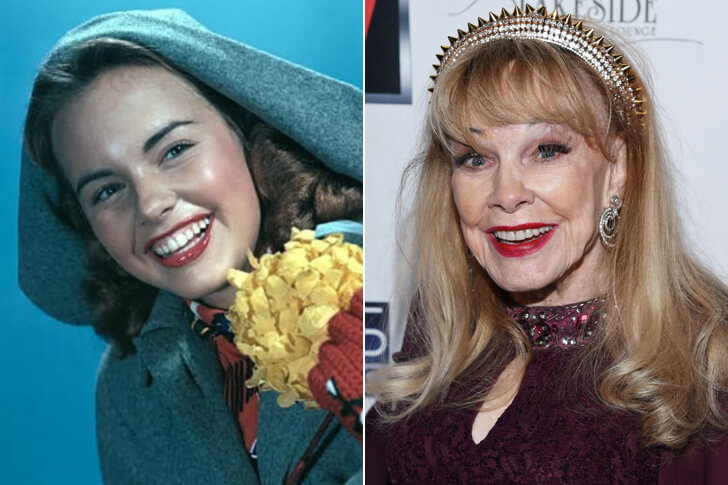
She stood out in old Hollywood. Terry arrived when studios craved big personalities, and she delivered effortlessly. Her big break came in 1949's “Come to the Stable,” earning her an Oscar nomination. Fans loved her spark in “Mighty Joe Young,” an adventure with unexpected emotional depth. Her confidence stemmed from early stage work, giving her poise in film. By the 1950s, she pursued a pilot’s license, proving her interests extended beyond Hollywood. Her marriage to Howard Hughes added mystery, reigniting public interest in 1980.
David Attenborough (born 1926)
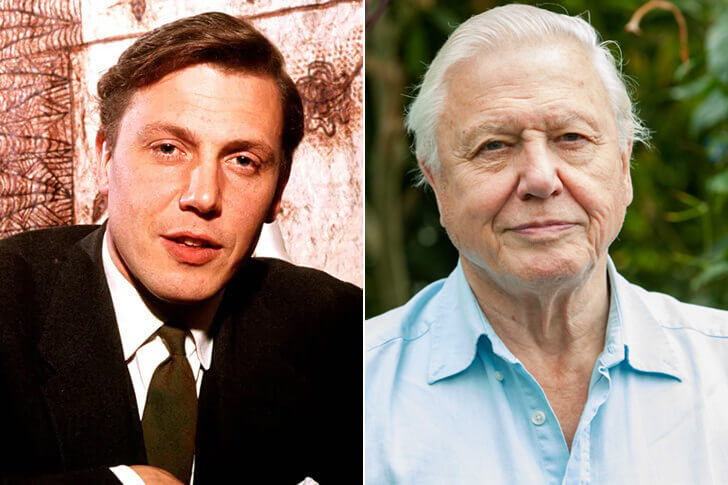
Most of us know him as the voice that brought the wild to our screens, especially in “Planet Earth.” These series turned wildlife into a global obsession and earned multiple Emmys for its scale and craft. He had already made a mark with “Life on Earth” in 1979, inviting everyone into the science and mystery of life. BAFTA wins followed, showcasing a career driven by genuine curiosity. Crews faced challenges, trekking to remote places and adapting to capture the perfect shot. In 2020, “A Life on Our Planet” highlighted decades of exploration and provided urgent environmental warnings.
Tippi Hedren (Born 1930)
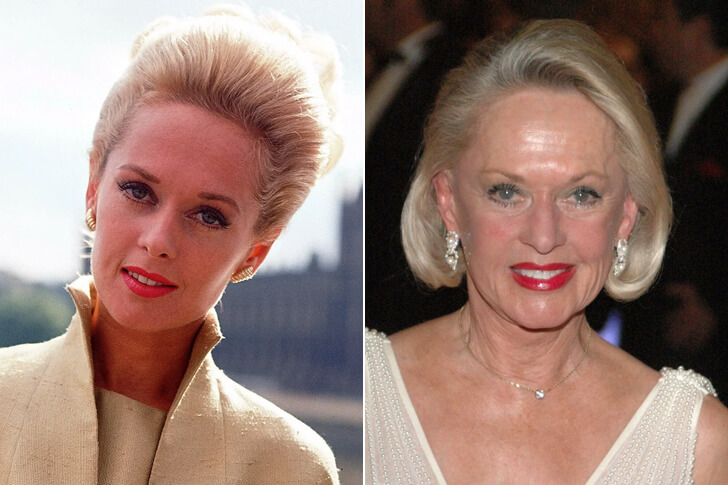
When she first glided into 1963’s “The Birds,” the vibe shifted. She didn’t just survive the mayhem; she steadied it, keeping her cool while Hitchcock dialed tension up. Soon after, “Marnie” let her lean into something more psychological, hooking people differently. Those productions were brutal, with exhausting hours and high-pressure setups. That breakout earned her a Golden Globe for New Star of the Year. Then she surprised everyone with her animal advocacy, launching the Shambala Preserve in 1983. A stylish turn on 2006’s “Fashion House” introduced her to a fresh audience, proving her magnetism remained sharp and elegant.
John Astin, Born 1930
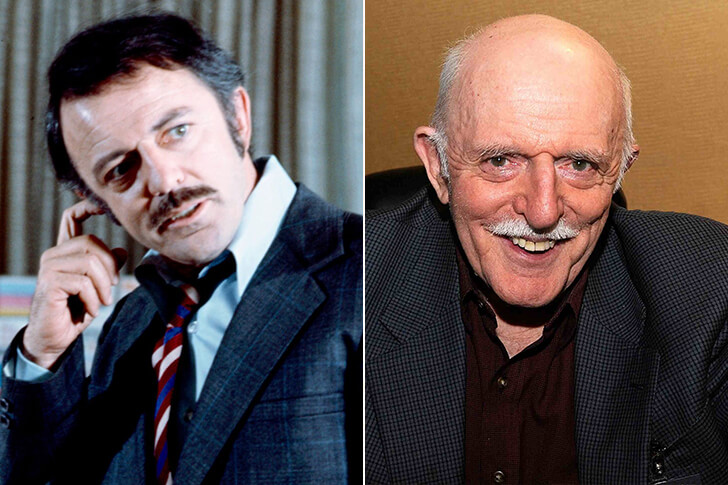
Most people met Astin in 1964, when he appeared as Gomez Addams on “The Addams Family.” His fearless comedy made the series essential viewing. He brought the same energy to films like 1976’s “Freaky Friday,” turning brief moments memorable. Astin also toured a one-man “Edgar Allan Poe” show in 1971. Later, he focused on directing and by 1998 was teaching at Johns Hopkins. His voice featured in animated works like “Justice League Action.” In 1967, he appeared as the Riddler on “Batman.”
Brigitte Bardot, Born in 1934
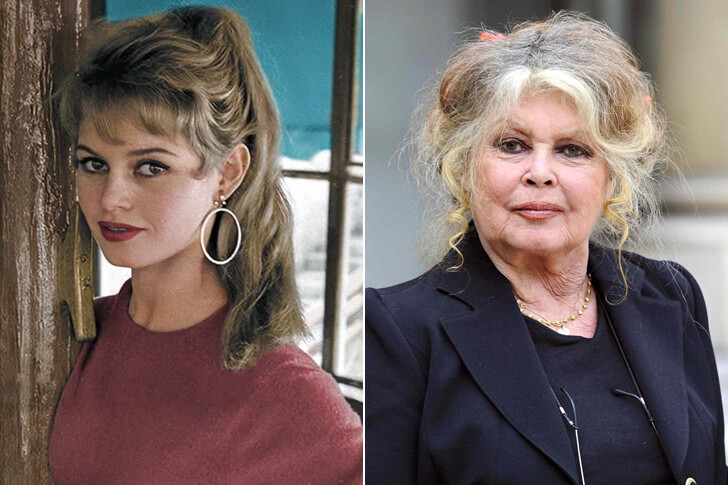
For many film fans, Bardot detonated onto the scene with “And God Created Woman” in 1956, introducing a new kind of star: bold and playful. Her fearless energy in “La Vérité” drew global critical attention, and “Contempt” showed her relaxed screen presence shaping European cinema. Her style became a 1960s blueprint. She received the Legion of Honor in 1985. In 1973, she shifted from acting to animal welfare activism, turning fame into a powerful platform. A 2017 Paris exhibition highlighted her lasting cultural impact for new admirers.
Mel Brooks, Comedy’s Forever Instigator (Born 1926)
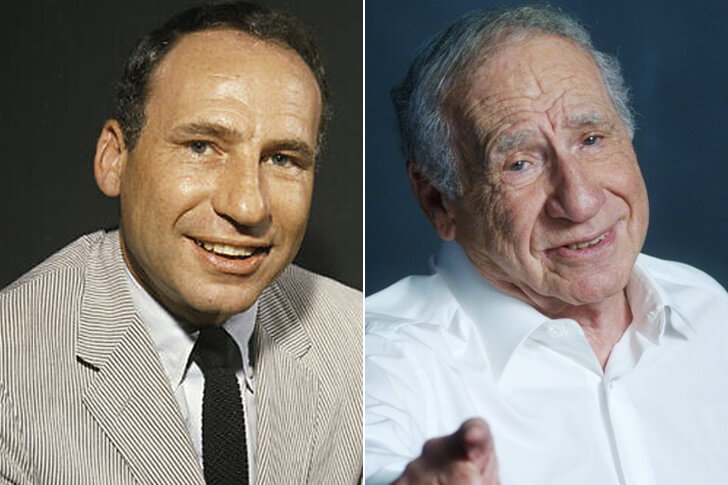
Did Brooks help redefine mainstream comedy with 1967’s “The Producers”? Absolutely. He showcased giddy irreverence, keeping audiences hooked. “Blazing Saddles” followed with taboo-busting satire. “Young Frankenstein” in 1974 was a parody masterclass with stellar performances.
Accolades came quickly. In 1968, he won an Oscar for Best Original Screenplay. Television also benefited in 1965 when he co-created “Get Smart,” infusing it with sharp wit. In 2001, “The Producers” hit Broadway. Even in 2022, Brooks stayed active, voicing in “Paws of Fury.”
Terry Kilburn, born 1926
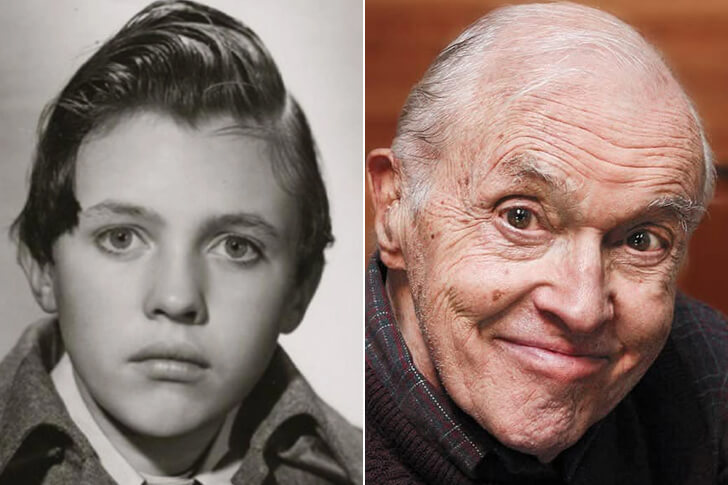
Remembered as a child actor, Kilburn owned moments in old Hollywood. He broke through in the late 1930s with roles like Tiny Tim in “A Christmas Carol" (1938) and showed range in “Goodbye, Mr. Chips” (1939). He was known for his instincts and ease with the camera. The stage eventually called him, leading to his long stint as artistic director of Meadow Brook Theatre in Michigan, culminating in 1994. His theater leadership was another act in his rich career.
William Shatner, Born 1931
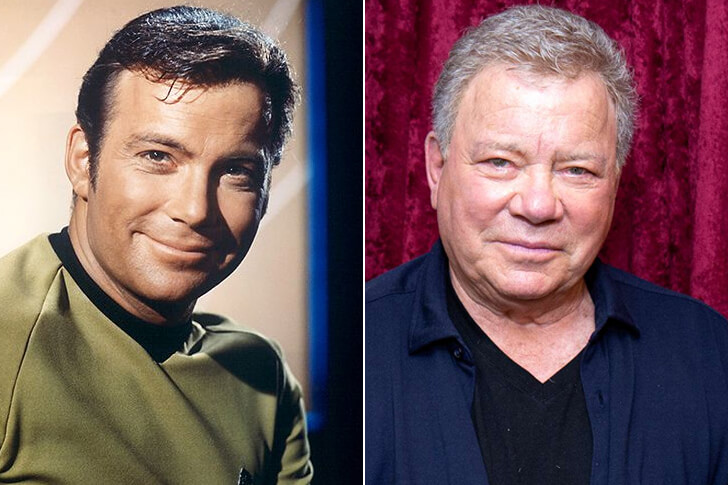
After years in small parts, Shatner landed his iconic role as Captain Kirk on “Star Trek” in the 1960s, proving sci-fi could be smart and mainstream. The enduring franchise returned with a glossy revival in the form of a 1979 film. He took on the challenge of directing “Star Trek V” in 1989, showcasing his versatility in the entertainment industry. Additionally, he ventured into music with 1968’s cult album “The Transformed Man.” His creativity extends to becoming an author, having penned the TekWar series. Beyond fiction, the actor made a literal leap into space by flying on a Blue Origin trip in 2021, confirming his fearlessness and enduring curiosity. Over the decades, his influence spans television, film, music, and literature, leaving a remarkable legacy.
Susan Dey, Born 1952
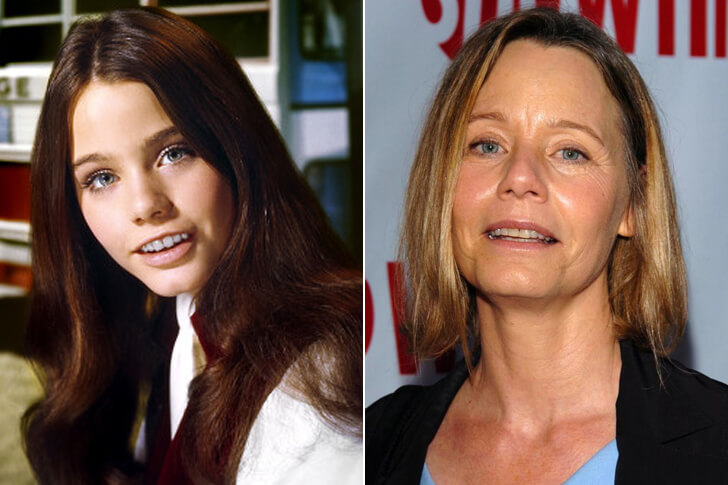
When Susan first appeared on TV in the early 1970s, she wasn’t just another fresh face. She brought a warm spark to “The Partridge Family,” influencing television toward feel-good fun. She later switched gears with “Mary Jane Harper Cried Last Night,” proving she could handle darker roles with emotional depth. Before fame, she'd been modeling since school, helping her manage the spotlight. By 1988, she earned a Golden Globe for “L.A. Law,” marking her as a serious actor. She coauthored a wellness-focused book in 2004 and briefly served on the SAG board.
Dolores Hart (Born 1938)
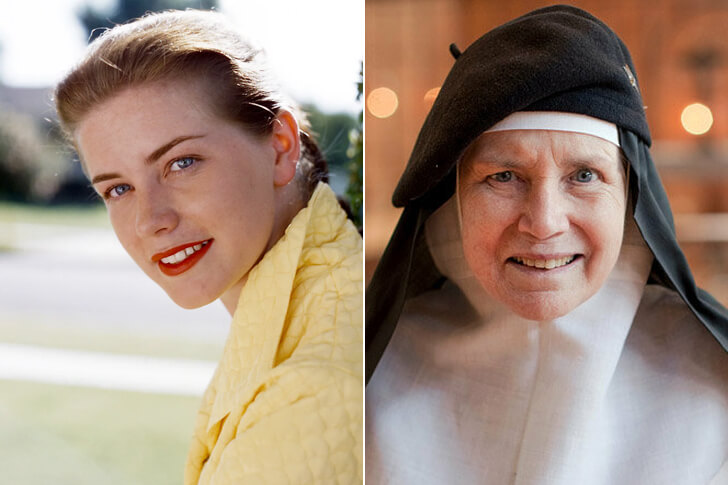
She burst onto the early 1960s Hollywood scene with a rare kind of screen glow. In “Loving You,” she holds her own opposite Elvis Presley, their chemistry effortless. Audiences warmed to her in “Francis of Assisi,” where her sincere vibe anchors the film. Yet, she walked away from it all, choosing life at the Abbey of Regina Laudis. The surprising move didn’t end her creativity; her Broadway work in “The Pleasure of His Company” earned a Tony nomination in 1959. She later embraced writing, with a 2013 memoir that reintroduced her story to readers.
Leslie Caron, Born 1931
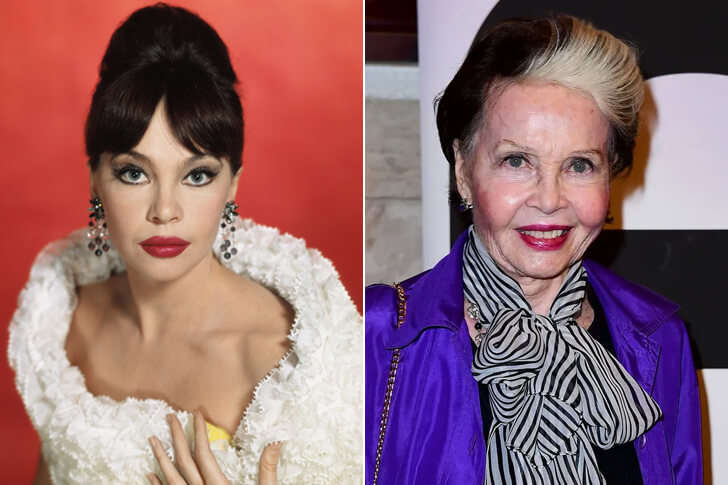
Few dancers lit up the screen like she did. Her debut in “An American in Paris” showcased her sparkle, followed by a heartfelt role in “Lili,” earning an Academy Award nomination. “Gigi” then made her a musical icon. Years of ballet in Paris gave her elegance loved by cameras. In the 1970s, she shifted focus to writing. By 2010, she was honored with a César Award for dramatic work. Fans enjoy that she ran a boutique hotel in Burgundy, charming guests personally.
Robert Duvall, Born 1931
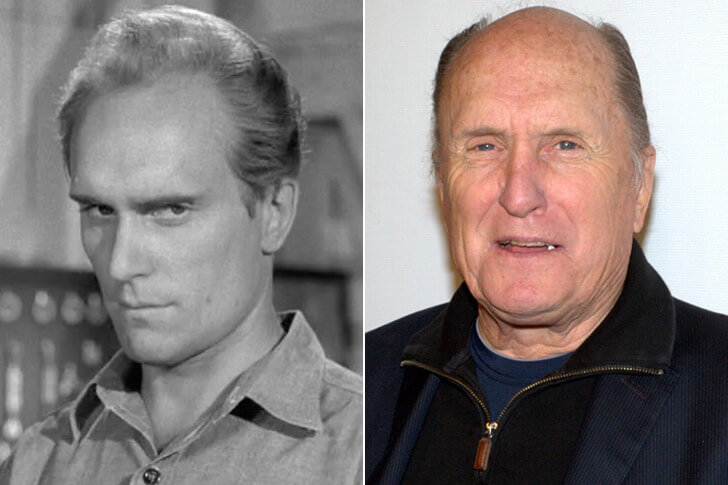
Before becoming a recognizable American screen legend, Duvall honed his craft in theater. He gained prominence with “To Kill a Mockingbird.” In 1972, with “The Godfather,” his cool, precise energy became unforgettable. He further excelled in “Apocalypse Now,” and “Tender Mercies” earned him an Academy Award. In 1996, he pursued tango in Buenos Aires, diversifying beyond Hollywood. The actor balanced big projects with smaller films that intrigued him. Throughout his career, he demonstrated a keen ability to portray nuanced characters, often drawing from personal experiences. This dedication to his roles kept audiences engaged and critics impressed, which contributed significantly to his enduring legacy in the film industry. Even today, his performances remain studied by aspiring actors worldwide, making him an icon of American cinema.
Angie Dickinson, Born 1931
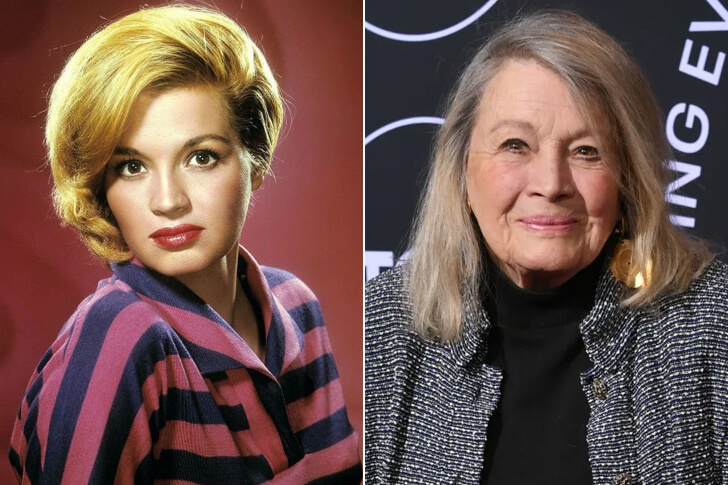
When Dickinson appeared on TV in the 1950s, she had a confidence that made viewers pause. By 1959, she was memorable in “Rio Bravo” with John Wayne, adding a cool edge. The breakthrough was “Police Woman,” earning her a Golden Globe. The show was demanding, but she remained sharp and present. Before fame, she worked as a secretary. Acting changed her life trajectory. Known for poker nights with Sinatra’s group, she enjoyed Hollywood tales. Later, “Ocean’s Eleven” was like a reunion, showing her charm had only smoothed with time.
Ann McCrea (Born 1931)
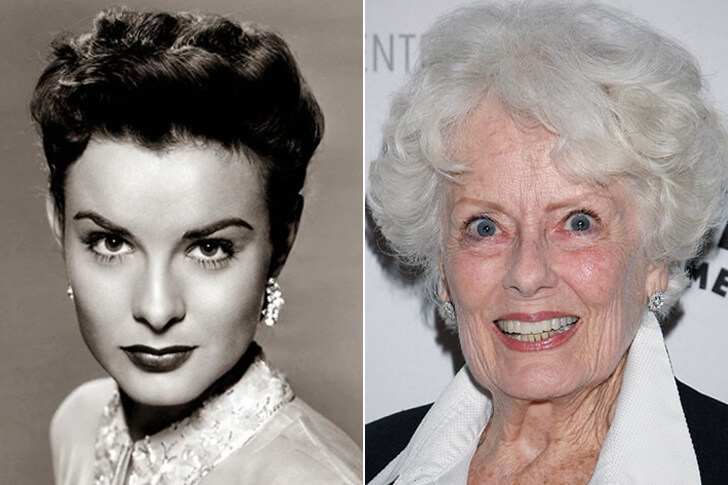
Early 1960s TV flourished with the cozy presence of McCrea on “The Donna Reed Show.” Her neighborly vibe made scenes feel genuine. She mixed light comedy with heart, as family stories captivated America. Ventures into movies like “Welcome to Hard Times” showcased her dramatic side.
Before acting, she modeled, gaining poise. Her skills grew with sharp scripts. Later, she supported California arts without seeking the spotlight, enjoying crafting handmade gifts, creating cherished traditions among friends.
Shirley MacLaine, Born 1934
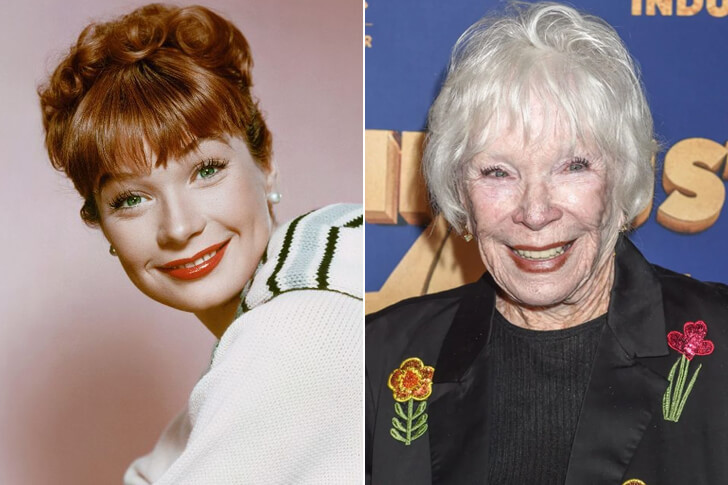
Few performers hit mid-century Hollywood with the same quirky shine she brought. Instantly noticeable in “The Trouble with Harry,” her playful, unpredictable timing gives the movie a lively pulse. “The Apartment” adds real depth to that spark, blending sharp comedy with gentler emotions. She lands the jokes and lets quieter moments breathe, making those films timeless.
In 1983, “Terms of Endearment” defined her career, earning her an Academy Award. Long before trophies, she was a Broadway chorus dancer, her precise timing evident under pressure. Later, she ventured into travel writing, crafting personal tales from big trips.
Henry Winkler, Born 1945
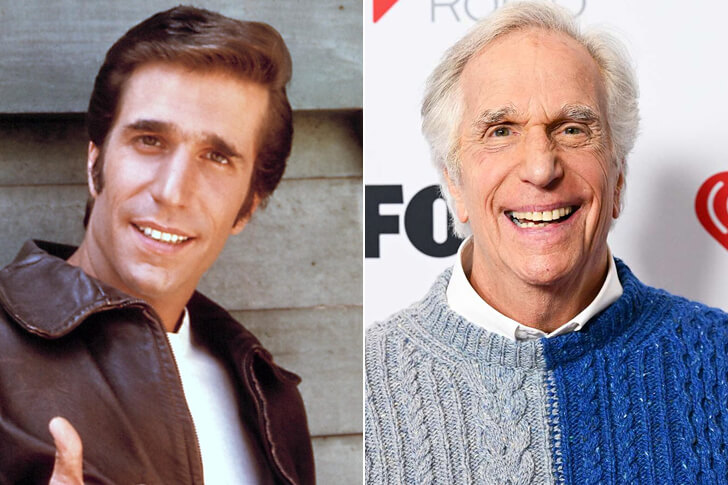
It's wild how quickly the actor became TV's spark plug when “Happy Days” introduced Fonzie and that laid-back, leather-jacket cool. Suddenly, the series wasn't just funny; it had a cozy heart. Despite the fame, he kept things light on set. His early training helped him nail shifts from comedy to tenderness without breaking a sweat.
In 1977, “Heroes” proved he could handle drama, not just charm. By 2004, he opened a new chapter writing children's books, inspired by classroom visits. He’s also guided young actors, offering advice that keeps people brave and curious. His mix of humor, craft, and perspective keeps him respected.
Ann Elder, Born 1942
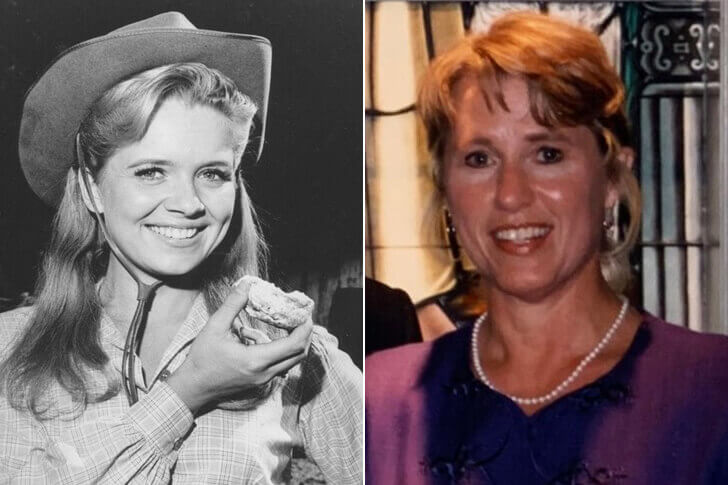
By the early 1970s, comedy had loosened its tie and Ann slid right into that vibe on “Rowan and Martin’s Laugh-In.” She brought sharp timing and a mischievous energy that made sketches feel alive. The set could become controlled chaos, especially when she went big with fearless characters. Her work on “Lily” earned an Emmy, surprising some colleagues who had watched her fine-tune jokes behind the scenes.
She also appeared in movies with smaller parts, including a breezy moment in “Don’t Make Waves.” Earlier modeling jobs helped when wardrobe demanded rapid costume changes. Her writing credits stacked up, and in 1976 she won a second Emmy for another Lily Tomlin special. She even tried producing, proving she was more than just a performer.
Robert Fuller, Born 1933
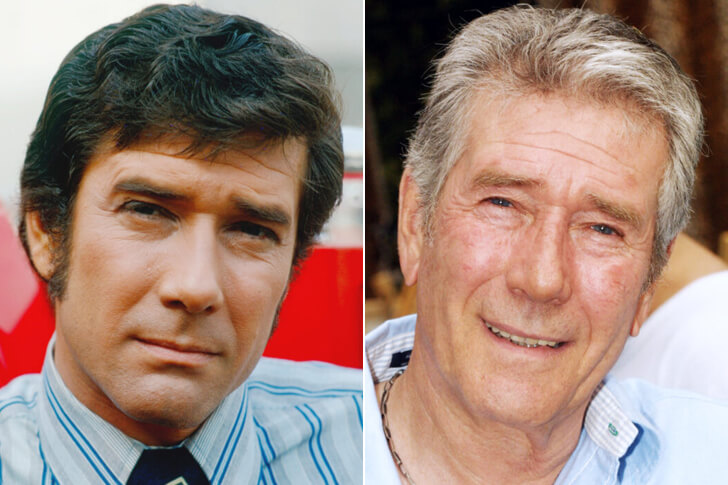
Fuller had that classic Western-TV vibe, like he’d just swung down from a saddle. His breakthrough came in 1959 on “Laramie,” where he played a steady lead with calm confidence. The success carried into “Wagon Train,” placing him amidst bigger frontier stories. By 1972, he pivoted with “Emergency!,” exchanging dusty streets for sirens and rescues. His easygoing presence fit the modern setting, and in his downtime, he embraced rodeo culture. Western heritage groups awarded him, and a German fan club held an annual tribute in his honor.
Warren Beatty, born 1937
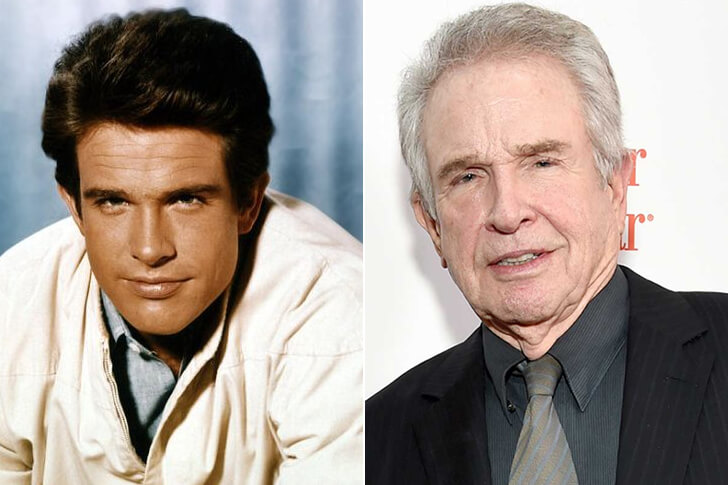
Finding his stride as American film was being reinvented, Beatty lit up Hollywood with “Bonnie and Clyde.” Directors rethought audience expectations because of this film. After its success, he starred in “Shampoo,” mingling charm with comedy, winning a Golden Globe. In 1981, “Reds” earned him an Academy Award, highlighting his talents as an actor and filmmaker. Even in quieter periods, he refined scripts, edited meticulously, and explored storytelling innovations. Historians see his producer instincts as a guide for creative risks. His projects have consistently intrigued audiences and influenced the industry.
Michael Richards, Born 1949
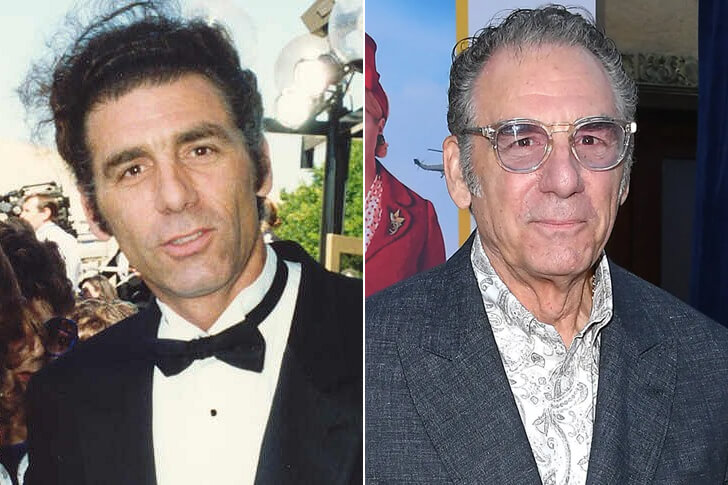
Some TV entrances are unforgettable, and his are in a category of their own. In 1989, “Seinfeld” introduced this offbeat neighbor who turned a hallway stroll into an event. The ’90s saw the show become a comedy giant, with his physical comedy shining through. He earned three Emmy wins, proving old-school slapstick when done right, remains fresh and smart.
This precision didn't happen overnight. In 1980, “Fridays” was his playground, perfect for honing the timing that defined him. By 1992, improvisation workshops pushed him further, making his scenes unpredictable. Years of mime training gave him eerie control, ensuring even chaos had intention and rhythm.
Burton Gilliam, Born 1938
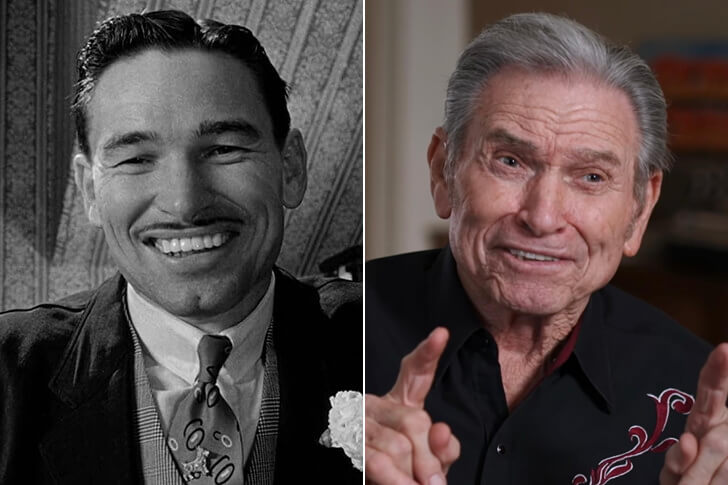
The actor’s life took an unexpected turn from the Dallas fire department to Hollywood. His breakout role in “Blazing Saddles” brought widespread attention, but it was “Paper Moon” in 1973 that first showcased his comedic charm. By the 1980s, he was a television staple, appearing in numerous guest roles and commercials, broadening his national appeal. Despite his growing fame, he participated in charity events connected to firefighting. Earlier, he boxed in Golden Gloves, contributing to his confident screen presence.
Michael Gross, born 1947
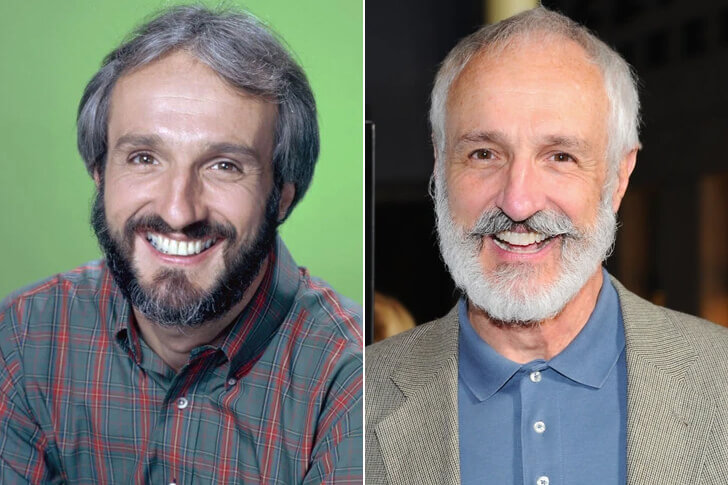
Michael first appeared on “Family Ties,” providing a warm presence that brought authenticity to the sitcom. His role as the father figure was integral, earning him a place in viewers' hearts. He then shifted to creature-features with “Tremors,” turning a desert town into a cult classic with his memorable performance. His Yale drama background gave him sharp timing and natural authority. During the 1980s, he became a go-to character actor, quietly delivering solid work. By 1996, he ventured into documentary narration, focusing on environmental themes with a distinct voice that captivated audiences. Photography later became his creative outlet, allowing him to express himself artistically and explore new perspectives through the lens. Balancing various interests, including charity work, he continues to influence both fans and newcomers.